Sign Compliance Alone Isn’t Enough: Great Wayfinding Thinks In Systems
A sign can meet every ADA signage requirement and still leave people wondering where to go.
It happens more often than you might think. A visitor finds the room identification sign they need, but only after wandering through hallways, stopping to ask for directions, or doubling back because the path wasn’t clear. The signs check the compliance box, yet the experience falls short. That’s because compliance doesn’t mean the system works.
For some sign professionals, ADA signage becomes the primary focus of a large project. It’s understandable. ADA requirements carry significant responsibility and getting it right matters. But when ADA signs become the project instead of one component of it, opportunities are missed, consistency suffers, and navigation becomes more difficult for everyone using the space.
The ADA-Only Mindset
Many wayfinding projects may begin with a simple request: “We need ADA room signs.”
From there, it’s easy to focus on producing those signs correctly while overlooking the larger navigation system surrounding them. As projects move forward, partners often find themselves:
- Treating ADA signage as the entire scope of work.
- Designing signs individually instead of as a coordinated family.
- Addressing ADA requirements late in the process.
- Focusing on individual signs instead of the overall navigation experience.
None of these decisions create compliance issues. They create system issues.
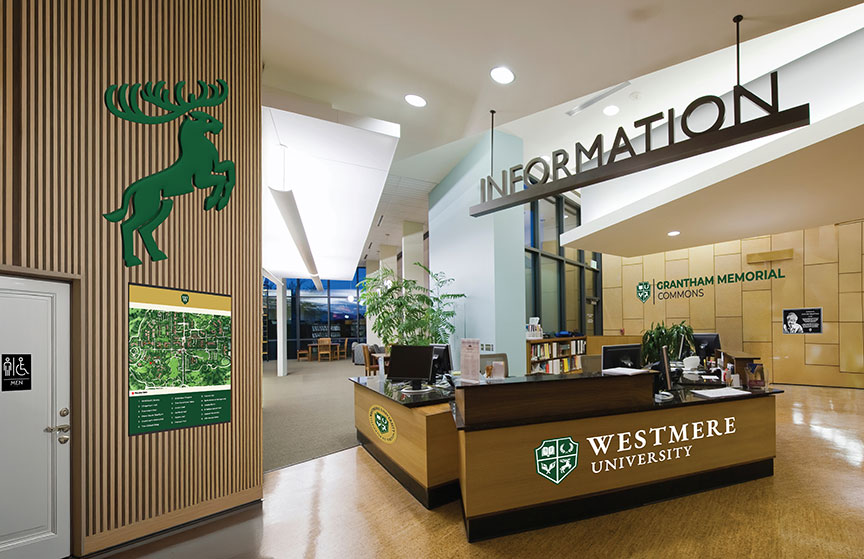
ADA is one part of the wayfinding system. Wayfinding is much bigger than ADA signage. At its core, wayfinding helps people move confidently through a space. It provides the visual cues people need to understand where they are, where they need to go, and how to get there.
A complete wayfinding system typically includes:
- Identification signs
- Directional signs
- Regulatory signs
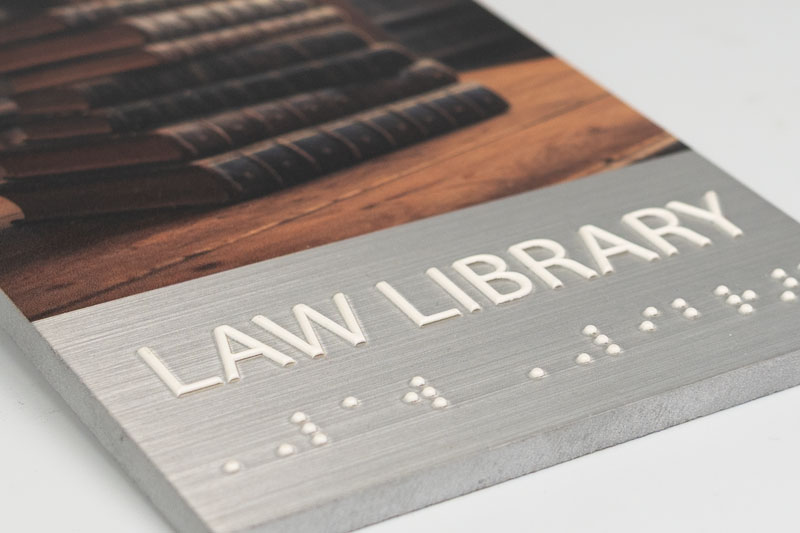
- ADA-required signs
Each plays a different role, but together they create a consistent experience. ADA signage is a required layer within that system. It’s an essential one, but it’s not the whole picture.
Many project challenges have little to do with compliance and everything to do with coordination.
Problems often appear when:
- Important sign types are overlooked during planning.
- ADA and non-ADA signs feel like separate systems.
- ADA requirements aren’t identified until late in the design process.
- Changes late in the project create unnecessary rework.
The result may still pass inspection, but it doesn’t always create intuitive navigation.

Compliance Doesn’t Always Equal Clarity
Imagine walking into a large medical office for the first time. Every permanent room has a compliant ADA sign. Restrooms are properly marked. Stairwells and elevators are identified. But directional signs are inconsistent. Departments use different fonts and finishes. Important decision points lack guidance. Visitors stop staff members to ask where they’re supposed to go. Nothing is technically wrong. Yet people still struggle to navigate the building. That’s the difference between meeting requirements and creating a successful wayfinding experience.
Effective wayfinding isn’t simply about checking regulatory boxes. It’s about helping people move through spaces with confidence.
Think About Wayfinding as a System
A better approach starts before the first sign is designed. Instead of asking, “What ADA signs do we need?” ask: “How will people move through this space?”
Once that question is answered, the rest of the system begins to take shape.
Every successful wayfinding project includes three interconnected layers:
- The system — how people move through the environment.
- The sign types — identification, directional, regulatory, and ADA signage that support that movement.
- The ADA layer — applied where required to ensure accessibility and compliance.
Looking at projects through this lens creates stronger outcomes from the beginning.
What Successful Sign Pros Do Differently
Experienced sign professionals understand that good wayfinding starts long before production.
They:
- Think about the entire navigation system before quoting the project.
- Identify all required sign types early.
- Clarify where ADA applies instead of assuming every sign requires it.
- Maintain consistent materials, finishes, typography, and branding across sign families.
- Plan for the complete user experience, not just individual signs.
The result is a more cohesive system, fewer surprises during production, and a smoother experience for everyone involved.
Where Gemini Fits
Creating an effective wayfinding system takes thoughtful planning. Producing compliant tactile signage requires technical expertise, whether you’re meeting ADA requirements in the United States or ACA braille standards in Canada.
That’s where Gemini comes in. We support sign professionals from the earliest stages of a project, helping you pursue opportunities with confidence through bid reviews, custom samples, technical guidance, and expert recommendations before production even begins. Once a project moves forward, our team helps ensure tactile and braille signage is produced accurately, from braille translation and tactile layout to character spacing and production-level precision.
Whether your project includes ADA, ACA, or non-braille wayfinding signage, Gemini helps reduce risk, simplify the process, and deliver consistent, compliant results. So you can stay focused on designing and delivering complete navigation systems with confidence.
Build Better Wayfinding from the Beginning
The strongest wayfinding projects don’t happen by accident. They begin with a system-first mindset that considers how every sign works together to guide people through a space. Compliance will always be essential. But it’s only one piece of successful wayfinding.
Ready to take the next step? Explore Gemini’s solutions at geminimade.com.